Why Closure of Daily Monitor and NTV Uganda Matters Beyond Uganda


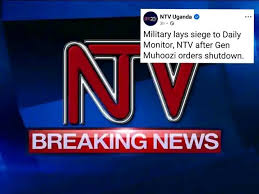
The shutdown of Uganda’s Daily Monitor and NTV Uganda has drawn condemnation because it raises concerns about press freedom, the rule of law, and whether governments can silence independent media without due legal process. The Kenya Editors Guild argues that closing media houses through military action does not only affect journalists. It also limits the public’s access to independent information and sets a precedent that could influence democratic freedoms across East Africa.
For many East Africans, the closure is more than another political headline. It touches on an issue that affects everyday life even when people rarely think about it. News organisations help citizens understand government decisions, expose corruption, question public spending, and provide information that shapes elections and public debate. When one of the region’s largest media organisations is forced off air, questions naturally arise about who controls information and what that means for democracy.
Also Read: Top Comoros Official Hospitalized in Nairobi Amid Rising Tensions in Moroni
The events in Uganda have therefore become part of a much bigger regional conversation. Journalists, civil society organisations, lawyers and international media watchdogs are watching closely because today’s action against one newsroom could influence how governments elsewhere respond to critical reporting tomorrow.
Why the Shutdown Has Become Regional News
Uganda’s media environment has experienced periods of tension before, but the latest closure attracted unusual attention because of how it unfolded.
According to reports, the military moved against Daily Monitor and NTV Uganda after stories that were considered critical of the country’s leadership. Uganda’s Chief of Defence Forces, Muhoozi Kainerugaba, publicly stated that the outlets would remain closed until he authorised their reopening.
Those remarks immediately attracted criticism because many observers argue that decisions affecting media operations should be handled through legal institutions rather than executive or military authority.
That distinction lies at the heart of the current debate.
Why the Kenya Editors Guild Responded
The Kenya Editors Guild rarely comments on every media dispute in neighbouring countries.
Its intervention reflects concern that attacks on media freedom in one East African nation could gradually weaken democratic standards across the region.
Guild President Zubeidah Kananu argued that freedom of the press is not a privilege granted by governments but a constitutional and democratic right that allows citizens to receive independent information.
The organisation also criticised reports of military deployment at media premises, saying disputes involving journalists should be resolved through established legal channels instead of force.
The statement was directed not only at Uganda but also at reinforcing regional principles regarding media independence.
Why Press Freedom Matters Beyond Journalists
Many people assume media freedom benefits only reporters.
In reality, ordinary citizens often benefit the most.
Independent journalism allows people to learn how taxes are spent, understand new government policies, compare political viewpoints and expose corruption that might otherwise remain hidden.
Without independent reporting, accountability becomes much more difficult.
That explains why constitutions around the world often protect freedom of expression alongside freedom of the media.
The Bigger Role of Nation Media Group
The controversy also carries significance because it involves one of East Africa’s largest media organisations.
Nation Media Group operates across several countries and has built audiences over decades through newspapers, television, digital platforms and radio.
Because of that regional influence, actions affecting its Ugandan operations inevitably attract attention beyond Uganda’s borders.
For many readers, the shutdown became regional news almost immediately rather than remaining a domestic issue.
Why Due Process Is Central to the Debate
One of the strongest arguments raised by the Kenya Editors Guild concerns due process.
Every democratic society establishes legal mechanisms for resolving disputes.
If governments believe a media organisation has broken the law, courts and regulators generally provide recognised procedures for addressing complaints.
Bypassing those mechanisms raises broader constitutional questions.
The debate therefore extends far beyond whether one particular article should have been published.
Instead, it asks who has authority to silence media organisations.
East Africa’s Democratic Reputation
East African countries continue working toward stronger democratic institutions.
Independent courts.
Professional electoral bodies.
Active civil society.
Independent journalism.
These institutions often reinforce each other.
Weakening one institution can gradually weaken public confidence in the others.
That explains why developments involving media freedom often receive close attention from regional organisations and international observers.
Freedom of Expression and Democracy
Freedom of expression does not mean media organisations cannot make mistakes.
They sometimes publish inaccurate information.
They may receive complaints.
Corrections may become necessary.
However, democratic systems generally distinguish between correcting journalism through lawful processes and shutting down media organisations entirely.
That distinction remains central to the current discussion surrounding Uganda.
Why Military Involvement Raises Additional Questions
Military institutions traditionally focus on national security.
Media regulation normally falls under civilian legal structures.
When armed forces become involved in disputes involving journalists, concerns naturally increase regarding proportionality, legality and institutional independence.
Those concerns formed an important part of the Kenya Editors Guild’s statement.
How the Shutdown Could Affect Public Trust
Media credibility depends on independence.
Citizens trust journalism when they believe reporters can investigate stories without fear of retaliation.
Likewise, governments strengthen public confidence when disagreements with journalists follow transparent legal procedures.
Events that appear to bypass those procedures can affect both media confidence and public trust in state institutions.
The Economic Side of Media Closures
The consequences extend beyond politics.
Media houses employ journalists, photographers, camera operators, editors, producers, designers, marketers and technical staff.
Temporary closures disrupt livelihoods while advertisers, businesses and audiences also experience uncertainty.
Media organisations therefore represent both democratic institutions and significant employers.
Digital Media Has Changed the Conversation
Unlike previous decades, information today spreads almost instantly.
News about the Uganda shutdown reached audiences across Africa within minutes.
International press freedom organisations, journalists and diplomats quickly joined the discussion through digital platforms.
Attempts to control information therefore often generate even greater international attention.
Why Regional Organisations Are Watching
Regional organisations frequently monitor developments involving governance, elections and constitutional rights.
Media freedom forms part of that broader governance conversation.
Statements like the one issued by the Kenya Editors Guild encourage continued regional attention and reinforce expectations regarding democratic standards.
Lessons From Previous Media Disputes
History shows that tensions between governments and media organisations are not unique to Uganda.
Many countries have experienced disputes involving investigative reporting, national security, political criticism and press regulation.
The strongest democratic systems usually resolve such disagreements through courts, regulators and constitutional processes rather than executive directives.
That experience explains why legal experts continue emphasising institutional safeguards.
Also Read: Rio Ferdinand To Open International Doors For Arusha Through AFCON 2027
Why This Story Matters Beyond Uganda
Some readers may wonder why events inside Uganda attract such attention in Kenya.
The answer lies in regional interconnectedness.
East African economies increasingly cooperate.
Businesses operate across borders.
Citizens travel frequently.
Media organisations also serve regional audiences.
Developments affecting democratic institutions in one country therefore resonate across neighbouring states.
What Happens Next
Attention now shifts toward whether legal institutions, government officials and media organisations can resolve the impasse through recognised constitutional mechanisms.
Journalists continue calling for restored operations.
Media rights organisations continue monitoring developments.
Regional observers are also likely to remain engaged as events unfold.
Why the Conversation Is Bigger Than One Newsroom
Although the immediate issue involves two media outlets, the broader discussion concerns the principles governing freedom of expression.
Every democracy faces difficult moments when governments and journalists disagree.
The true test often lies not in whether disagreements occur but in how they are resolved.
Institutions that rely on transparent legal processes generally strengthen democratic legitimacy.
The Bigger Picture
The closure of Daily Monitor and NTV Uganda has become far more than a dispute between a government and two media organisations. It has evolved into a regional conversation about constitutional rights, democratic accountability and the role of independent journalism in East Africa. The Kenya Editors Guild’s response reflects concern that press freedom is not only a professional issue for journalists but a public interest issue affecting every citizen who depends on reliable information. Whether the current impasse is resolved quickly or becomes a longer legal battle, it has already reignited an important discussion about how democracies balance authority, accountability and the public’s right to know.