Netherlands vs Morocco World Cup Clash Explores Deep Dutch-Moroccan Football Ties

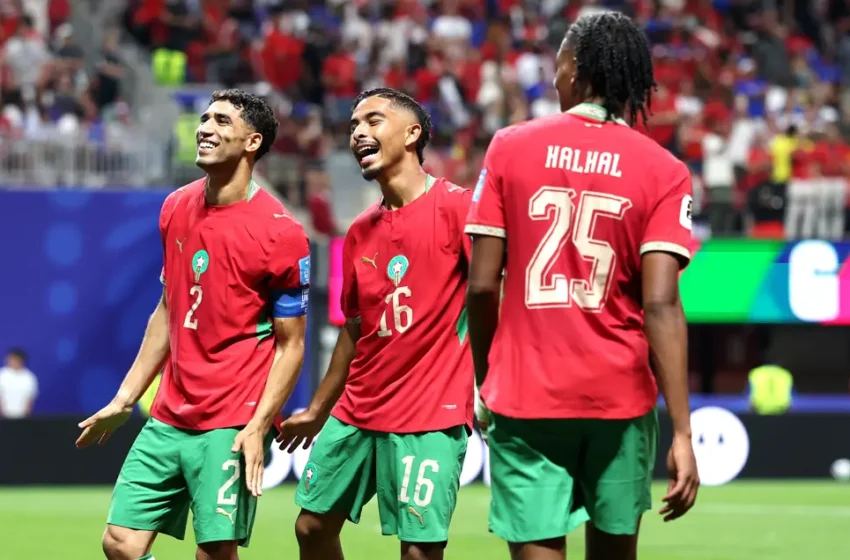
Elite football fans are focusing heavily on Monterrey where the highly anticipated Netherlands Morocco Round of 32 match will bring together two tactical philosophies with contrasting styles. Ronald Koeman’s squad secured their position at the top of Group F following a dominant performance against Tunisia in Kansas City. Now, the European heavyweights must prepare to navigate a challenging fixture against the North African giants, who previously captured global attention by reaching the semi-finals during the unforgettable 2022 tournament campaign.
International tournaments demand absolute perfection once the group phase concludes and direct elimination begins. Having secured nine points from three consecutive victories, the Dutch national team enters the knockout stage with substantial positive momentum. Analysts are eagerly evaluating how the tactical setup engineered by the Dutch coaching staff will counter the quick transition play and passionate crowd support that typically characterizes the Moroccan national setup.
Earning maximum points in the initial phase gives the Oranje a major psychological advantage, yet knockout matches introduce unique psychological pressures. Every error can lead directly to elimination, forcing managers to reconsider risky attacking setups in favor of balanced structures. The looming encounter promises to showcase high-level chess matches all over the pitch.
Also Read: Kibiwott Kandie: Why 7-Year Exile Marks End Of An Era
Recapping the Group F Finale and Core Attack Formations
Dominating the final group fixture allowed the Dutch team to establish authority within the first seven minutes of play against a struggling Tunisian side. An early cross from wingback Denzel Dumfries forced Tunisia captain Ellyes Skhiri to divert the ball into his own net under heavy pressure. Shortly afterward, forward Brian Brobbey consolidated the advantage by tapping in a well-placed header from central defender Virgil van Dijk, registering his third individual goal of the global showcase.
Heavy downpours and severe weather alerts in Missouri threatened to delay the fixture, but clearing conditions allowed the match to proceed on schedule. The Dutch offensive line created substantial opportunities, registering twenty total shots with twelve occurring during an explosive first-half display. Ronald Koeman utilized a highly fluid 4-3-3 system that constantly manipulated the defensive shape of their opponents.
Structural Performance Metrics from the Final Group Stage Fixtures
Statistical documentation from the final group matches underscores the technical efficiency achieved by the Dutch squad prior to entering the knockout rounds. Evaluating these metrics helps contextualize their tactical readiness for high-stakes matches.
| Statistical Category | Netherlands Efficiency Rating | Tunisia Defensive Metrics | Tactical Significance |
| Total Shot Attempts | 20 Total Efforts | 4 Counter Attacks | Indicates creative dominance in midfield sectors |
| Shots on Target | 12 Initial Opportunities | 2 Valid Testing Shots | Reflects high conversion precision under pressure |
| Corner Kick Execution | 8 Set Pieces | 3 Defensive Clearances | Displays physical dominance inside opposition boxes |
Midfield control remained paramount throughout the ninety minutes as Frenkie de Jong dictating tempo from deep positions. His partnership with Tijjani Reijnders allowed smooth progressions from defensive lines into attacking spaces.
Also Read: Top Comoros Official Hospitalized in Nairobi Amid Rising Tensions in Moroni
Assessing Defensive Standard Operating Procedures and Lapses
Securing a comfortable advantage sometimes leads to unexpected lapses in defensive concentration during the secondary phase of matches. A brief communication breakdown from a corner kick enabled Tunisia forward Hazem Mastouri to find space and direct an accurate header into the bottom corner. Manchester City midfielder Tijjani Reijnders lost track of his assignment momentarily, highlighting minor areas of vulnerability that upcoming opponents will certainly look to exploit.
Order was quickly restored when Jan Paul van Hecke executed a brilliant near-post run during a corner kick sequence. His targeted header deflected off a covering defender, successfully restoring the comfortable two-goal cushion and completely deflating any hopes of a Tunisian comeback. Closing out matches with composed possession sequences remains a defining characteristic of Koeman’s contemporary managerial tenure.
Key Takeaway for Direct Elimination Rounds
Elite knockout fixtures leave zero room for lapse in set-piece coverage. Failing to track runners from corner situations can instantly shift momentum, making rigid defensive discipline the ultimate priority for the Oranje moving forward.
Analyzing the Strategic Threat Profile of the Moroccan National Team
Morocco enters the round of 32 having secured the runner-up position in Group C, demonstrating the same defensive resilience that defined their historic semi-final run four years ago. Their low-block defensive system combined with rapid counter-attacking patterns poses a major threat to teams that commit too many players forward. Mohamed Ouahbi’s tactical framework prioritizes structural compactness, forcing opponents to play through wide areas where overlapping fullbacks can trap possession.
Midfield battles will likely dictate the overall trajectory of the Tuesday morning encounter in Mexico. Moroccan midfielders excel at horizontal pressing, disrupting building patterns before creative playmakers can feed line-breaking passes to advanced forwards. The technical staff under Koeman must devise specific overloads to ensure their creative stars avoid getting crowded out in central zones.
| Tactical Dimension | Netherlands Strategic Asset | Morocco Counter Strategy | Projected Match Outcome |
| Wing Progression | Denzel Dumfries high overlaps | Rigid doubling on wide channels | Determines cross delivery quality |
| Aerial Dominance | Virgil van Dijk set piece targets | Zonal blocking inside the box | Shapes crucial dead-ball opportunities |
| Transition Speed | Rapid vertical ball circulation | Tactical fouling and resetting | Dictates physical control over tempo |
Macroeconomic and Regional Pressures on Global Tournaments
Staging high-profile matches in major venues like Monterrey brings substantial economic benefits and massive travel logistical challenges for participating nations. Squads must adapt to varying climate conditions, shifting from torrential rains in Kansas City to high humidity levels in Mexican stadiums. Sports science teams are working around the clock to optimize recovery protocols, ensuring peak physical performance despite minimal rest windows.
Fan attendance also plays a massive role in shaping the atmosphere and influencing split-second refereeing decisions during intense knockout moments. Moroccan supporters have travelled in massive numbers, effectively turning neutral venues into energetic home environments. Managing emotional spikes during critical segments of play will test the maturity of the younger Dutch players inside the arena.
Terrestrial infrastructure investments across North American host cities have significantly improved team transport and training pitch quality. Having access to pristine training facilities allows tactical units to run complex simulation drills without risking muscle fatigue. Such marginal gains frequently prove decisive when matches extend into grueling extra time periods.
Historical Clean Sheet Trends in Knockout Encounters
Reviewing past tournament history reveals that defensive stability almost always outweighs pure attacking flair when chasing international silverware. Teams keeping clean sheets in initial knockout phases possess a significantly higher probability of reaching final showpieces.
| Tournament Stage | Average Goals Conceded | Clean Sheet Percentage | Correlation to Progression |
| Group Phase | 1.2 Goals Per Match | 35% Total Efficiency | Shapes seeding and general knockout paths |
| Round of 32 | 0.8 Goals Per Match | 55% Safe Defending | Immediate impact on tournament survival rates |
| Quarter Finals | 0.5 Goals Per Match | 68% Elite Security | Defines genuine championship contenders |
The data confirms that successful teams systematically tighten defensive parameters as tournament brackets progress. Ronald Koeman will likely instruct his fullbacks to temper their attacking runs to avoid leaving spaces behind for quick Moroccan wingers.
Also Read: Rio Ferdinand To Open International Doors For Arusha Through AFCON 2027
Projecting Tactical Adjustments for Tuesday Night
Achieving the ultimate goal of tournament progression requires absolute tactical flexibility from the opening whistle. If the Netherlands find themselves frustrated by a stubborn low block, substituting physical targets like Wout Weghorst could offer the necessary directness to break the deadlock. Having diverse options on the bench gives the technical staff immense tactical versatility.
Morocco will likely rely on early high-intensity pressing to unsettle the Dutch build-up play from the back. Maintaining composure under intense physical duress will test the technical baseline of central defenders like Jan Paul van Hecke. Circulating the ball with maximum speed remains the most efficient way to tire out a hard-working defensive unit over ninety minutes.
Ultimate success hinges on which collective philosophy can impose its preferred tempo for longer stretches. Football enthusiasts worldwide are expecting a classic encounter that will define the strategic narrative of the knockout rounds.