
Cancer Burden Worsens in Kenya as Duale Calls for More Early Screening


Cancer is claiming an estimated 80 lives every day in Kenya, with Health Cabinet Secretary Aden Duale warning that many of those deaths could be prevented through early screening, timely diagnosis and improved access to treatment.
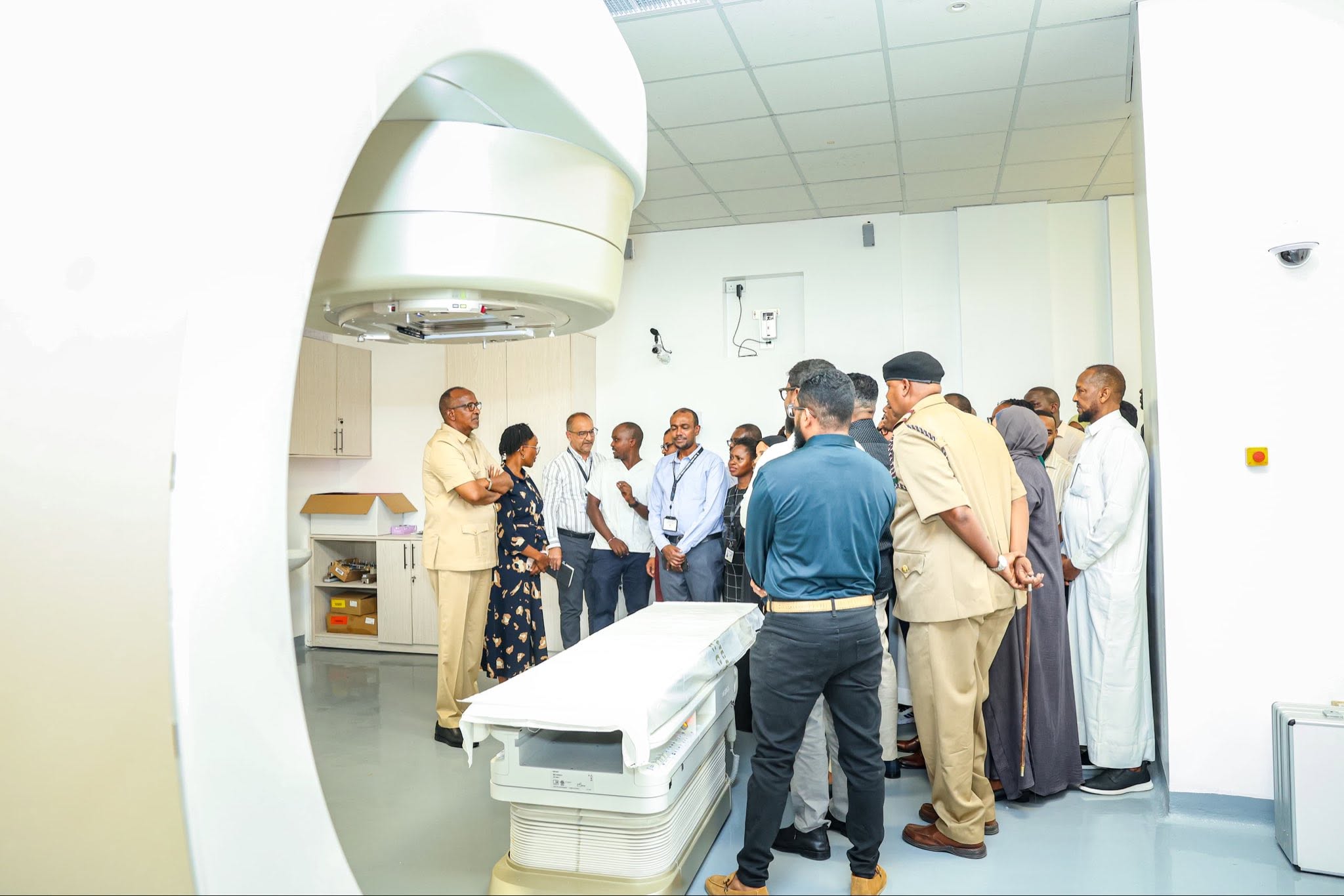
Speaking during a National Cancer Institute of Kenya forum on Thursday, July 17, Duale described cancer as one of the country’s fastest-growing public health challenges, urging greater investment in diagnostic equipment and healthcare infrastructure to improve survival rates.
The Health CS said thousands of Kenyans continue to seek treatment only after the disease has advanced, reducing the chances of successful treatment and placing enormous financial and emotional strain on families.
“Cancer is claiming about 80 lives every day in Kenya. Many of these deaths can be prevented if we invest in diagnostic infrastructure that enables early detection and timely treatment,” Duale said.
His remarks come as the government intensifies efforts to strengthen cancer prevention and management through expanded screening programmes, improved treatment services and nationwide awareness campaigns.
One example cited by the Cabinet Secretary underscores the importance of early diagnosis. At Jaramogi Oginga Odinga Teaching and Referral Hospital in Kisumu, the installation of a mammogram machine enabled health workers to screen 400 women for breast cancer.
The results revealed a worrying trend. According to Duale, 20 per cent of the women screened were diagnosed with breast cancer despite having shown no obvious symptoms or having any prior knowledge of their condition.
Health experts say such findings demonstrate why routine screening remains one of the most effective ways of detecting cancer before it spreads, significantly improving treatment outcomes and survival rates.
Government launches ambitious cervical cancer elimination plan

The warning comes just days after the Ministry of Health unveiled the National Cervical Cancer Elimination Plan (2026–2030), a comprehensive strategy aimed at reducing deaths from one of Kenya’s most preventable cancers affecting women.
The roadmap aligns Kenya with the World Health Organization’s (WHO) global 90-70-90 targets, which seek to eliminate cervical cancer as a public health problem by increasing HPV vaccination, expanding screening and ensuring prompt treatment for women diagnosed with the disease.
“The Ministry of Health has today launched the National Cervical Cancer Elimination Plan (2026–2030), a bold, costed roadmap aligned to the World Health Organization’s 90–70–90 targets aimed at ending one of the country’s most preventable yet deadly cancers,” the ministry said.
Under the strategy, the government plans to provide free Human Papillomavirus (HPV) vaccination for girls aged between 10 and 14 years, expand access to HPV DNA-based screening for women and guarantee timely treatment for all patients diagnosed with cervical cancer.
Health officials believe these interventions will dramatically reduce new infections and improve survival rates by identifying cancer in its earliest and most treatable stages.
Why early screening remains Kenya’s strongest weapon
Medical experts have consistently warned that most cancers become difficult and more expensive to treat once diagnosed at advanced stages.
Breast cancer and cervical cancer remain among the leading causes of cancer-related deaths among Kenyan women, largely because many patients seek medical care after symptoms have significantly progressed.
Routine screening allows doctors to detect abnormal changes long before cancer develops or spreads, making treatment less invasive, less costly and far more successful.
The Ministry of Health says implementation of the new cervical cancer elimination strategy will rely heavily on county governments, health facilities, community health promoters, development partners and local leaders to increase public awareness and encourage women and girls to utilize available services.
“The plan prioritises free HPV vaccination for girls aged 10–14 years, expanded HPV DNA-based screening for women, and guaranteed, timely treatment for all those diagnosed,” the ministry said.
The government also intends to strengthen primary healthcare systems while expanding financial protection programmes to reduce the cost burden faced by patients seeking cancer diagnosis and treatment.
Public health specialists note that awareness remains one of the biggest barriers to cancer control, with many Kenyans avoiding screening because they feel healthy or fear receiving a diagnosis.
Duale urged Kenyans to embrace routine medical check-ups and screening services, saying early diagnosis remains the country’s best chance of reducing the growing number of cancer deaths.

