
Harambee Stars Youth Transition Validated Following Dominant Lesotho Victory

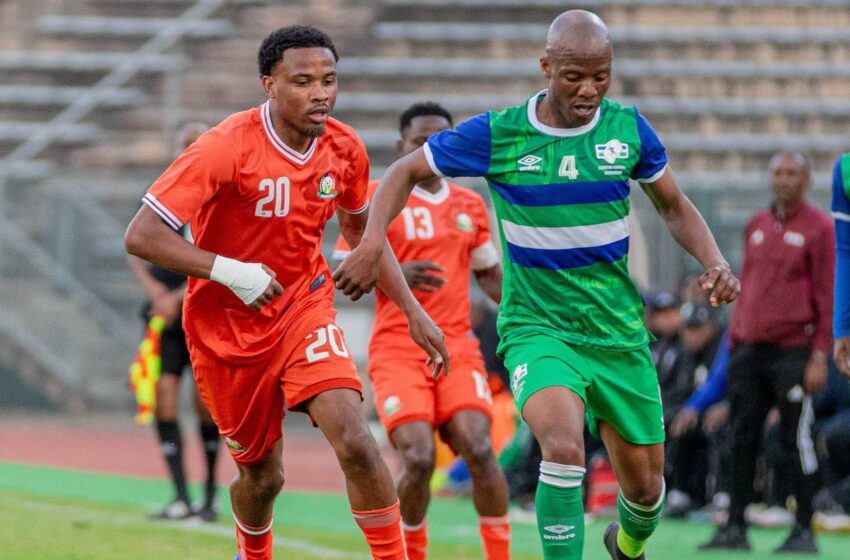
Harambee Stars produced the perfect response to public frustration in the intricate world of international football. Competing at the Lucas Moripe Stadium in Pretoria, South Africa, a heavily rotated line-up delivered a convincing 4-0 triumph over Lesotho. Such an emphatic victory served as a definitive answer to critics following a sluggish 1-1 draw against the same southern African opponent just days earlier.
Kenya’s technical bench deliberately utilized this international window to evaluate the depth of the country’s footballing talent pool. Absence of multiple established senior stars left a noticeable structural vacuum, forcing younger prospects to assume immediate tactical leadership. That strategic gamble by the coaching staff reaped immense rewards, uncovering significant depth in the domestic national team setup.
Modern international football leaves no room for secondary squads to offer excuses when called upon for national duty. A strict insistence by the coaching panel on maintaining high operational standards regardless of squad rotation proved entirely justified. Such a comprehensive clean sheet alters selection dynamics for the national team, injecting fresh energy into the squad hierarchy as crucial continental qualification assignments loom on the horizon.
Also Read: Top Comoros Official Hospitalized in Nairobi Amid Rising Tensions in Moroni
Kenya Football Tactical Overhaul Triggers Massive Scoring Performance
Correcting specific offensive inefficiencies became the primary focus during tactical sessions between the two friendly matches. Players had previously struggled with poor spatial positioning and wasteful finishing despite establishing control in transition phases during the initial encounter. Coaching staff responded by implementing a more disciplined positional framework designed to optimize numbers in the final third.
Midfielders worked tirelessly to establish quicker ball circulation and cleaner vertical progression through central corridors. Demanding higher tactical discipline enabled the attacking line to exploit gaps in Lesotho’s defensive block more effectively. This structured approach allowed Kenya to dictate the tempo of the contest from the opening whistle.
Improvements were directly reflected in the efficiency of the transition play. Winning second balls allowed the midfield engine room to immediately trigger vertical passes into advanced areas before the opposition could organize their low block. This aggressive tactical adjustment forced continuous defensive errors, transforming possession dominance into high-value scoring opportunities.
Early exchanges signaled Kenya’s intent as players moved fluidly into half-spaces. Early warning signs emerged when Mohammed Bajaber latched onto an opening pass, narrowly missing the target before setting up another opportunity moments later. Maintaining this sustained baseline pressure ensured that the opposition defense remained pinned deep within their own territory.
September AFCON Qualifiers Demands Absolute Intensity From Rejuvenated National Squad
Assistant coach Vasili Manousakis offered a highly pragmatic assessment of the 4-0 friendly victory during his post-match media briefing. Technical staff noted that while the final scoreline appeared dominant, overall match intensity did not fully hit the strict performance metrics required for elite continental football. Maintaining this rigorous self-evaluation demonstrates a refusal to tolerate complacency within the national technical setup.
Correcting wayward finishing and spatial positioning became the primary focus during tactical sessions between the two matches. Midfielders worked tirelessly to secure second balls, initiating quick vertical transitions before Lesotho could drop into a defensive low block. These tactical adjustments paid off heavily, allowing Kenya to dictate proceedings from the opening whistle.
| Team Performance Variable | Lesotho Exhibition Realization | September Qualification Benchmark | Strategic System Impact |
| Final Third Conversion | Exceptional (4 Goals from Key Breaks) | Sustained 25% Scoring Minimum | Overcoming Stubborn Defensive Low Blocks |
| Midfield Structural Hold | Balanced (Improved Ball Retrieval) | High-Intensity Counter-Pressing | Controlling Possession in Away Environments |
| Backline Transition Speed | Solid (Complete Clean Sheet Retained) | Sub-Four Second Recovery Window | Neutralizing Quick Transitional Counterattacks |
Data collected from this Pretoria double-header will guide selection decisions ahead of the high-stakes 2027 Africa Cup of Nations (AFCON) qualification fixtures starting this September. Introducing three debutants into the national fold naturally brought minor moments of disconnect, yet technical staff viewed this exposure as vital human resource development. Management centers its strategy on preparing a deep contingent of match-tested players capable of handling intense international pressure without losing composure.
Players must understand that qualification groups leave zero margin for error. Facing top-tier African nations requires sustained focus across ninety minutes, a level of concentration that friendlies can only partially replicate. Veteran leaders will need to merge with these emerging youngsters to form a resilient unit capable of grinding out results on difficult away trips.
Mohammed Bajaber Lawrence Ouma Braces Secure Historic International Friendly Triumph
Individual brilliance from Simba SC forward Mohammed Bajaber and Finland-based attacker Lawrence Ouma defined the offensive rhythm of the contest. Bajaber ignited the scoring sequence in the 13th minute, running onto an intelligent pass from Micah Obiero to calmly slot the ball home. He completed his impressive brace early in the second half, capitalizing on an Austin Odhiambo delivery during an intense goalmouth scramble.
Lesotho suffered a catastrophic blow when goalkeeper Sekhoane Moerane received a straight red card following the second goal. Kenya’s technical bench reacted swiftly, making five concurrent substitutions to test fresh player combinations under numerical advantage. This tactical adjustment allowed Lawrence Ouma to stage a memorable late cameo, scoring twice within four minutes to put the result completely out of reach.
Also Read: Rio Ferdinand To Open International Doors For Arusha Through AFCON 2027
Watching these young attackers combine effortlessly brought a genuine sense of joy to fans tracking the live updates. Football landscapes thrive on raw, unscripted moments where unheralded starlets announce themselves to the world. Seeing Ouma celebrate his quick-fire double provided a vivid glimpse into the future of Kenyan attacking football.
Seamless combination play observed between these emerging attackers demonstrates the rising technical ceiling of the new generation. Substitutes sustained the attacking pressure perfectly, ensuring that offensive output did not drop during the final phases of play. Dynamic individual performances offer the selection committee diverse tactical options, lessening the team’s historical reliance on a fixed set of veteran starters.
National Team Player Depth Expands Significantly Ahead Continental Showdowns
Long-term success from this 4-0 triumph relates directly to ongoing national conversations regarding sports infrastructure financing. Emerging vibrant, deeply talented young generations increase the demand for high-performance training centers that meet international match standards. Accelerated construction of 28 multi-purpose stadiums across various counties serves as the physical foundation required to support these young athletes.
Coaches feel confident rotating the squad because regional leagues and youth academies are developing a stronger caliber of football intelligence. Giving raw prospects international match minutes within modern sporting environments creates a highly sustainable developmental ecosystem. This integrated framework ensures that capital investments in concrete arenas match the actual growth of human athletic capital.
Football governance must keep pace with this rapid infrastructural expansion to maximize its benefits. Operational excellence, transparent player selection, and structured youth leagues are just as critical as brick-and-mortar stadiums. Merging government goodwill, corporate sponsorship, and raw talent could finally place Kenya on a permanent upward trajectory in continental football.
Entire focus areas for the national team now shift exclusively to the upcoming AFCON qualifiers. Technical staff members have successfully expanded the player selection pool, verified tactical backup strategies, and built an internal culture of accountability. This progress will be essential as Kenya works to navigate its path toward co-hosting and successfully competing in the AFCON 2027 tournament.
Developing Local Talent Ecosystems Beyond Concrete Arenas
True transformation in Kenyan sports requires shifting perspective from simple construction metrics to sustainable human development. Building 28 stadiums creates the stage, but developing world-class talent requires consistent, high-quality programming on those surfaces. Local communities must feel a direct connection to these facilities, transforming them into daily hubs of activity rather than elite spaces reserved only for match days.
Coaching education stands out as a critical pillar that must accompany this infrastructural boom. Equipping grassroots coaches with modern tactical, physical, and psychological methodologies ensures that young players develop correct habits from an early age. Investing in human mentors will yield much higher long-term dividends than focusing solely on construction materials.
Also Read: Ngemi Festival 2026: Theme, Venue, Date and Everything You Need to Know
Furthermore, introducing tech hubs within these new stadium ecosystems opens exciting pathways for sports analytics and digital sports journalism. Young Kenyans can learn to analyze performance data, manage digital sports media platforms, and handle sports marketing campaigns. This multi-dimensional approach turns a simple sports project into a comprehensive youth empowerment engine.
Related News
- Kenya vs Lesotho Preview, Prediction, Team News, How to Watch Harambee Stars in Second-Leg Friendly
-
FKF, Ministry of Sports Counter Growing Claims of Funding Suspensions

