
Kenya Digital Security Marking System Explained How It Will Fight Counterfeit Goods

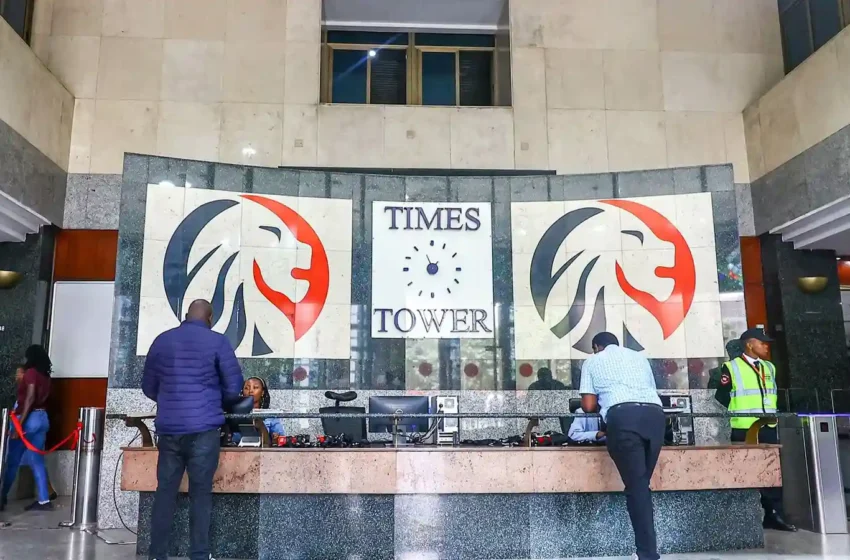
Kenya has introduced a new digital security marking system designed to strengthen the fight against counterfeit goods and improve transparency across supply chains.
The initiative, developed under the Anti-Counterfeit Authority (ACA), introduces tamper-evident security marks that will be applied to selected products before they enter the Kenyan market.
The system is expected to transform how goods are tracked, verified, and authenticated, especially in sectors that have long been affected by fake and substandard products.
At its core, the programme aims to make it easier for consumers, businesses, and enforcement agencies to confirm whether a product is genuine using real-time digital verification tools.
Also Read: Top Comoros Official Hospitalized in Nairobi Amid Rising Tensions in Moroni
Why Counterfeit Goods Remain a Major Challenge in Kenya
Counterfeit trade continues to be a significant economic and public safety challenge in Kenya and across the region.
Fake products not only affect legitimate businesses but also pose serious risks to consumers, especially in sensitive sectors such as medicine, food, and cosmetics.
The rise of digital commerce has further complicated enforcement, as counterfeit networks increasingly operate through online platforms and cross-border supply chains.
Authorities estimate that a growing share of fake goods now circulate outside traditional retail environments, making detection more difficult without digital systems.
What the New Security Marking System Does
The new system introduces a tamper-evident digital marking solution that will be placed on high-risk products.
These marks will be:
-
Applied at the point of manufacture or import
-
Linked to a central government database
-
Scannable for instant product verification
-
Designed to detect tampering or duplication
Once a product is scanned, the system will confirm whether it is authentic and registered within the official database.
This approach is expected to significantly improve transparency across supply chains.
Products Targeted in the First Phase
The rollout will begin with sectors that are most affected by counterfeit trade.
High-risk product categories include:
-
Pharmaceuticals
-
Alcoholic beverages
-
Agrochemicals
-
Food products
-
Cosmetics
-
Bottled water
-
Selected electrical components
-
Automotive safety parts
These sectors were chosen due to their direct impact on health, safety, and national economic stability.
How the Technology Works in Practice
The system relies on a digital authentication infrastructure connected to a centralized database.
Each product receives a unique security mark that can be verified at different stages of the supply chain.
Step by step process:
-
Mark is applied at production or import stage
-
Product is registered in a national database
-
Distribution begins through authorized channels
-
Retailers and consumers scan the product
-
System confirms authenticity in real time
This creates a traceable chain of custody for every registered product.
Role of the Anti Counterfeit Authority
The Anti-Counterfeit Authority (ACA) is responsible for implementing and overseeing the system.
Anti-Counterfeit Authority
According to ACA leadership, existing legal frameworks have struggled to keep up with increasingly sophisticated counterfeit operations.
The agency argues that criminals have adapted quickly to digital trade, requiring a more advanced enforcement system that matches modern supply chain realities.
Why Legal Reform Is Part of the Plan
ACA leadership has indicated that legal updates may be necessary to fully support the new system.
The challenge, according to officials, is that traditional laws were designed for physical markets, not digital and cross-border e-commerce systems.
The proposed reforms aim to:
-
Strengthen enforcement powers
-
Improve digital tracking capabilities
-
Enhance penalties for counterfeit trade
-
Support real-time data sharing across agencies
This reflects a broader shift toward technology-driven regulation.
Impact on Businesses and Manufacturers
While the system is expected to benefit consumers and regulators, it may introduce new compliance requirements for manufacturers and importers.
Businesses will need to:
-
Integrate security marking into production lines
-
Register products in the national database
-
Ensure supply chain compliance
-
Invest in verification systems
Although this may increase operational costs in the short term, it is expected to improve brand protection and reduce losses from counterfeit competition.
Also Read: Top 7 Most Popular Celebrities in Kenya (2026 Updated List)
Role of Online Commerce in Counterfeit Growth
One of the biggest drivers of counterfeit trade is the rapid expansion of online marketplaces.
Officials estimate that a significant portion of fake product transactions now occur online, where detection is more difficult.
Digital platforms allow counterfeit networks to:
-
Operate anonymously
-
Reach large audiences quickly
-
Avoid traditional enforcement systems
The new marking system is designed to address this shift by bringing verification directly to the consumer’s smartphone.
Consumer Benefits of the New System
The most important benefit of the system is increased consumer protection.
With the new technology, consumers will be able to:
-
Verify product authenticity instantly
-
Avoid counterfeit and unsafe goods
-
Make informed purchasing decisions
-
Report suspicious products more easily
This is expected to increase trust in regulated markets and reduce health and safety risks.
Regional and International Alignment
Kenya’s move aligns with broader regional and global efforts to strengthen intellectual property protection.
Many countries are now adopting digital traceability systems as part of modern trade regulation frameworks.
This approach supports:
-
Cross-border enforcement cooperation
-
Standardized product tracking systems
-
Stronger protection for legitimate manufacturers
-
Reduced illegal trade across East Africa
Challenges Ahead
Despite its benefits, the system may face several challenges during implementation.
These include:
-
High integration costs for manufacturers
-
Need for public awareness and education
-
Potential resistance from informal traders
-
Technical infrastructure requirements
Successful rollout will depend on collaboration between government, private sector, and consumers.
Key Takeaways
The introduction of Kenya’s tamper-evident security marking system represents a major shift in how counterfeit goods will be monitored and controlled.
By combining digital verification, supply chain tracking, and enforcement reform, the system aims to modernize Kenya’s anti-counterfeit strategy.
If fully implemented, it could significantly reduce fake goods in the market while improving safety, transparency, and trust in commercial products.
Final Outlook
The Anti-Counterfeit Authority’s digital marking initiative marks a transition from traditional enforcement methods to a technology-driven system.
While challenges remain, the move signals a stronger commitment to protecting consumers and businesses from counterfeit trade in an increasingly digital economy.
In the long term, the success of this system could position Kenya as a regional leader in digital product authentication and trade security.