
Kericho Farmers Rebel Against New 0.8% Tea Levy

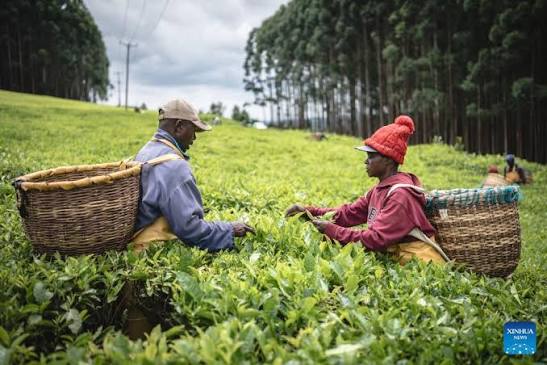
The scenic, rolling green hills of Kericho County are currently the backdrop for a storm brewing over the future of Kenya’s cash crop economy. Local tea farmers have formally called on the Tea Board of Kenya (TBK) to withdraw the newly introduced 0.8 per cent tea levy.
Smallholder farmers, who form the backbone of the region’s economic ecosystem, are expressing deep concerns over the timing of the regulatory change. They argue that the additional charge will further reduce farmers’ earnings at a time when the sector is already facing low returns and rising production costs. Main factors leading to the saga include skyrocketing fertilizer prices, increased labor expenses, making local producers claim their profit margins have already worn dangerously thin over the past two years.
READ: Williamson Tea, Kapchorua Boards Sound Alarm Over Structural Sector Taxes
The political leadership of the region has firmly aligned itself with the aggrieved agricultural community. Led by Kericho Governor Erick Mutai, the farmers argued that the levy is an unnecessary burden and urged the regulator to focus on improving tea prices and expanding markets instead of introducing new deductions.
The county boss insisted that the primary focus of any regulatory body should be market optimization rather than the introduction of bureaucratic fiscal bottlenecks.
“The levy was imposed at the tea auction in the name of funding research. We ask, what research is this when our farmers are already suffering,” said Dr Mutai as per Standard.
High Production Costs Threaten Regional Tea Earnings
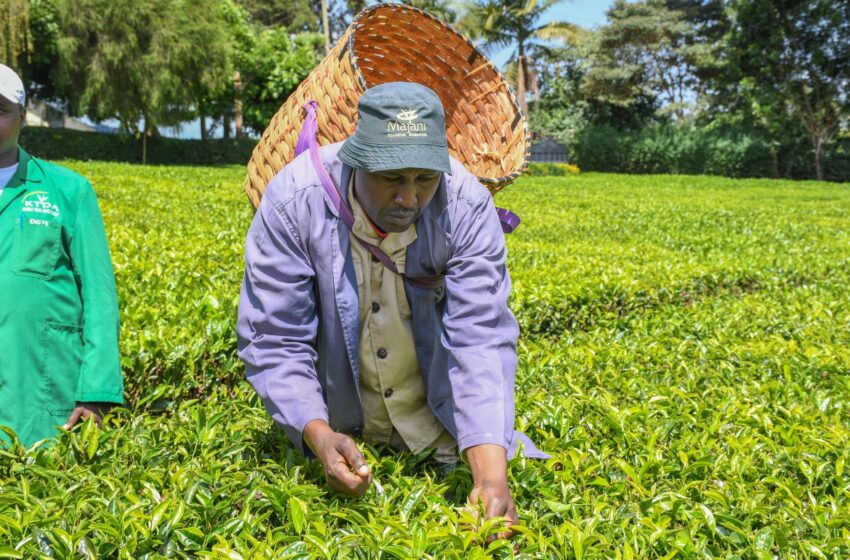
The immediate implementation of the new policy has caught many stakeholders flat-footed, sparking intense debate over its legal and economic framework. The Tea (Levy) Regulations, which took effect on May 1, 2026, impose a 0.8 per cent levy on tea exports based on the auction or customs value, alongside a 100 per cent levy on imported bulk tea.
Farmers meeting in local town halls note that the cost of processing and shipping agricultural commodities has grown prohibitively high. The introduction of this percentage-based tax directly at the transaction level means that every successful sale yields less net capital for the actual grower. Sector analysts warn that this structural arrangement could inadvertently suppress the purchasing power of rural communities reliant on agriculture.
Speaking during Kericho Cooperatives meeting at Kericho Primary School, the governor demanded immediate withdrawal of the levy, saying farmers need better returns rather than additional charges.
“The addition of tea levies must stop. It is hurting our farmers. The tea levy must be scrapped so that our tea is sold competitively at the Mombasa Tea Auction and our farmers receive better returns on their investment,” he said.
Market Disparities and the Mombasa Tea Auction Crisis
Beyond the immediate frustrations surrounding the newly minted export tax, a deeper geographic and economic rift is opening up within the national agricultural framework. The governor also faulted the Kenya Tea Development Agency (KTDA) for what he described as poor marketing of tea from factories in the western Rift Valley. This systemic failure, local leaders claim, has created a highly unequal playing field that systematically disadvantages growers based on regional boundaries.
READ: Kenyan Purple Tea : A Complete Guide to Its Benefits Origins and Brewing
The financial data trickling down to the village level highlights a stark disparity in bonuses, causing widespread resentment among Western Rift communities. Local producers point out that historical imbalances in infrastructure and marketing focus have left them exceptionally vulnerable to market fluctuations. The growing mountain of unsold inventory at regional distribution hubs serves as physical proof of the current structural breakdown.
“Farmers in the West of Rift earn bonuses as low as Sh13 per kilogramme while those in the East of Rift receive much higher payments. As we speak, large volumes of tea from the West of Rift remain unsold at the Mombasa Tea Auction. For the first time, Rwanda, a much smaller tea-producing country, has overtaken Kenya in terms of payments to farmers,” he said.
This comparative slump against regional neighbors has bruised national pride and triggered urgent calls for operational accountability. Industry insiders note that international buyers are increasingly looking for consistency and value, attributes that are heavily compromised when local supply chains are bogged down by administrative infighting and high domestic transaction costs.
Diversifying Export Markets Amid Global Geopolitical Conflict
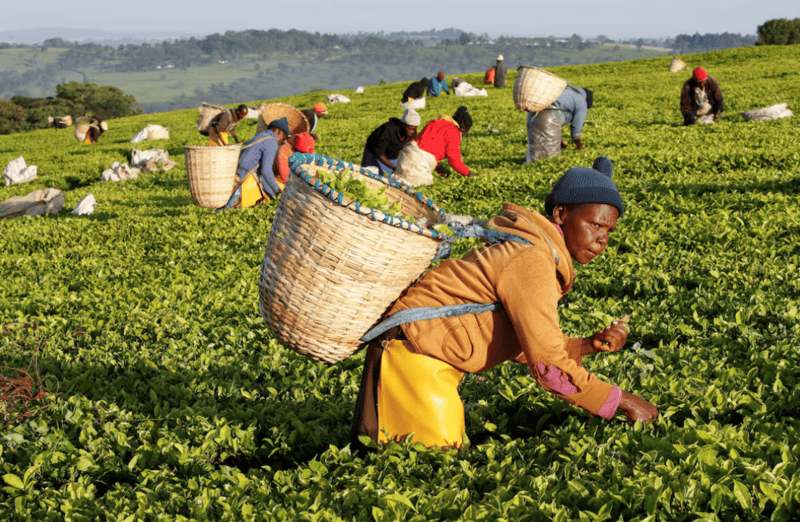
To rescue the sinking sector, regional leaders are demanding a complete overhaul of how Kenyan agricultural commodities are positioned on the international stage. Mutai urged KTDA to diversify Kenya’s export markets beyond the traditional buyers in the Middle East, saying conflicts in some of the region’s markets have continued to disrupt tea exports. Relying on a narrow corridor of international purchasers has left local farmers directly exposed to foreign political instability.
Economic experts back this aggressive diversification strategy, pointing out that emerging markets in Eastern Europe, Asia, and parts of the Americas remain largely untapped by Kenyan premium brands. Breaking into these spaces, however, requires agile marketing, trade diplomacy, and financial flexibility—elements that farmers argue are currently being choked out by new domestic levies.
“There have been endless meetings and conferences to discuss tea issues. Those discussions must now come to an end. We need to see results that improve the livelihoods of our farmers,” he said.
The Tea Board of Kenya has defended the levy, saying it is intended to restore funding lost after the previous tea levy was abolished in 2016. State officials maintain that long-term agricultural sustainability is impossible without a dedicated central fund to handle systemic challenges and promote technological advancement.
According to the board, the charge is payable by exporters—not farmers—and the proceeds will be ring-fenced to support farmers’ incomes, research, regulation, and infrastructure development in tea-growing counties.
Despite these official reassurances, local growers remain deeply skeptical, arguing that any cost levied on exporters will inevitably be passed down the supply chain, ultimately deflating the final payout received by the farmer at the factory gate.

