
Kenya Forest Restoration Drive Puts Mau Ecosystem Back in Focus

A drive through parts of the Mau Forest Complex reveals more than towering indigenous trees and winding roads disappearing into thick vegetation. Streams emerge quietly from the hills, farmers cultivate nearby land, and communities depend on resources that many urban residents rarely think about. Every healthy acre of forest silently supports homes, businesses, farms, and ecosystems hundreds of kilometres away.
Conservation efforts often make headlines because of ceremonial tree planting events or high-profile visits by government leaders. Yet the real story unfolds over decades rather than days. Restoring degraded forests requires patience, scientific planning, community participation, and consistent investment long after cameras leave.
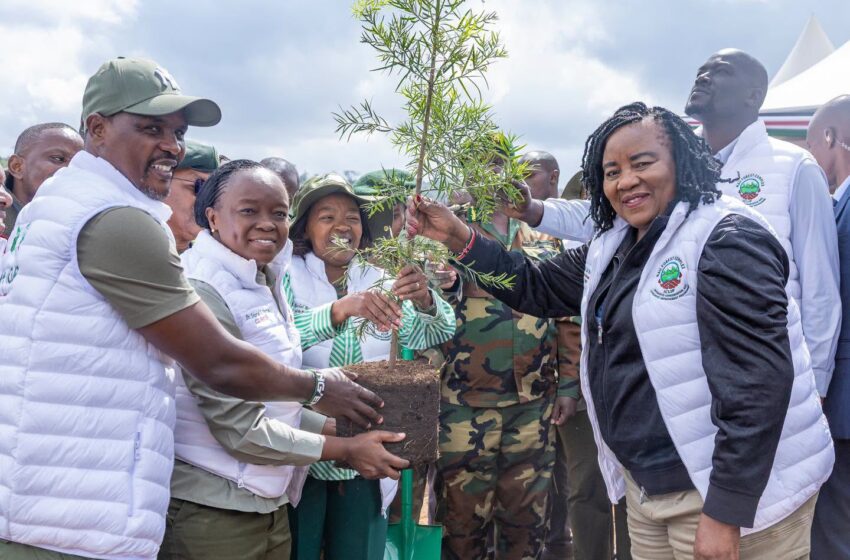
Recent efforts led by First Lady Rachel Ruto to adopt 33 hectares within the Marindas Forest Block have once again drawn national attention to the Mau Forest Complex. Beyond the symbolism, the initiative highlights a deeper truth: protecting Kenya’s largest water tower is one of the country’s most important long-term economic and environmental priorities.
Also Read: 5 Notable Breakout Stars From 2026 FIFA World Cup So Far
Mau Forest Is More Than a Collection of Trees
Many Kenyans associate forests with wildlife or tourism, but the Mau Forest Complex performs functions that extend far beyond scenic beauty.
Its vast ecosystem feeds rivers that supply homes, farms, industries, and hydroelectric projects across multiple counties. Healthy forests regulate rainfall patterns, reduce soil erosion, recharge groundwater, and create habitats for countless plant and animal species.
Every mature tree contributes to an interconnected system supporting millions of people who may never visit the forest itself.
That reality makes restoration an issue of national development rather than environmental activism alone.
Rachel Ruto Initiative Brings Fresh Attention to Conservation
Adopting 33 hectares for restoration sends a visible message about the importance of protecting degraded landscapes.
Tree nurseries established alongside restoration programmes create practical foundations for long-term recovery by producing indigenous seedlings suited to local ecological conditions.
Equally important is the broader conversation such initiatives generate.
Public participation often increases when prominent leaders champion conservation, encouraging schools, businesses, faith groups, and families to view tree planting as a shared responsibility instead of a government obligation.
Symbolic actions therefore have potential to inspire meaningful community engagement.
Water Security Starts in the Forest
Few people connect the water flowing from kitchen taps with forests located many kilometres away.
Rain falling within healthy ecosystems filters naturally through vegetation and soils before feeding rivers and underground reserves. Degraded landscapes lose that capacity, increasing runoff, erosion, and seasonal water shortages.
Protecting forests effectively protects water infrastructure.
Cities, rural communities, irrigation schemes, and industries all benefit when catchment areas remain healthy.
Investment in restoration may therefore reduce future costs associated with drought, flooding, and declining water quality.
How Healthy Forests Support Everyday Life
| Forest Function | Benefit to Kenya |
|---|---|
| Water catchment | Sustains rivers and reservoirs |
| Soil protection | Reduces erosion and land degradation |
| Carbon storage | Helps moderate climate impacts |
| Biodiversity habitat | Supports wildlife and ecosystems |
| Rainfall regulation | Strengthens agricultural productivity |
Farmers Stand to Benefit Too

Conservation and farming are sometimes portrayed as competing interests, yet carefully designed programmes demonstrate they can complement one another.
Initiatives allowing surrounding communities to cultivate approved crops while supporting restoration create incentives for local stewardship instead of conflict.
Improved livelihoods reduce pressure to exploit forest resources unsustainably.
Households earning stable incomes become more likely to participate actively in conservation rather than viewing protected areas as obstacles to economic survival.
Balancing ecological protection with community welfare remains essential for long-term success.
Climate Change Makes Restoration More Urgent
Weather patterns across East Africa continue to become less predictable.
Extended dry spells followed by intense rainfall events create significant challenges for agriculture, infrastructure, and disaster preparedness.
Healthy forests provide natural resilience by absorbing rainfall, stabilizing soils, and maintaining local microclimates.
Large-scale restoration therefore contributes not only to biodiversity but also to climate adaptation strategies increasingly necessary for future economic stability.
Every regenerated hectare strengthens ecological resilience incrementally.
Indigenous Trees Offer Lasting Value
Choosing native species rather than fast-growing exotics supports healthier ecosystems over time.
Indigenous trees evolved alongside local wildlife, insects, and soils, creating balanced habitats capable of sustaining biodiversity more effectively.
They also preserve genetic resources important for future environmental research and adaptation.
Nurseries producing native seedlings therefore represent investments in ecological integrity rather than merely increasing tree numbers.
Quality often matters more than quantity during restoration.
Restoration Is About More Than Planting
| Activity | Long-Term Objective |
| Tree nurseries | Supply healthy indigenous seedlings |
| Community engagement | Encourage local stewardship |
| Forest monitoring | Track ecosystem recovery |
| Sustainable farming | Support livelihoods responsibly |
| Education campaigns | Build conservation awareness |
Kenya Economy Depends on Healthy Ecosystems
Forests contribute indirectly to sectors generating billions of shillings annually.
Agriculture relies on reliable rainfall and fertile soils.
Tourism benefits from protected landscapes and biodiversity.
Energy production depends partly on rivers sustained by healthy catchments.
Manufacturing requires dependable water supplies.
Environmental degradation therefore creates economic risks extending well beyond conservation agencies.
Protecting natural infrastructure can prove as valuable as investing in physical infrastructure.
Also Read: ‘Transformation is On Course’— Ruto Defends Kenya’s Economic Path in Italy
Community Participation Determines Success
Governments can establish policies and allocate funding, but local communities ultimately influence whether restoration succeeds.
Residents living near forests interact with ecosystems daily through farming, grazing, fuel collection, and water use.
Meaningful engagement encourages shared responsibility rather than confrontation.
Education programmes, sustainable livelihood opportunities, and transparent decision-making strengthen trust while reducing incentives for illegal activities.
Collaborative conservation generally delivers stronger outcomes than enforcement alone.
Young Kenyans Have a Role to Play
Environmental stewardship increasingly depends on younger generations embracing sustainable practices.
Schools introducing tree planting projects expose students to practical conservation from an early age.
Universities contribute research supporting better management strategies.
Youth organizations mobilize volunteers for restoration activities while raising awareness through digital platforms.
Small individual actions accumulate into significant national impact over time.
Protecting forests becomes easier when environmental responsibility becomes part of everyday culture.
Why Mau Forest Matters Nationally
| Area | Importance |
| Water resources | Supports millions of households |
| Agriculture | Protects irrigation and rainfall cycles |
| Biodiversity | Preserves native species |
| Climate resilience | Reduces environmental vulnerability |
| Economic growth | Sustains multiple industries |
Restoration Requires Patience
Trees planted today may take decades to mature fully.
Success cannot therefore be measured solely by annual planting figures or public ceremonies.
Survival rates, biodiversity recovery, soil health, and community participation all provide more meaningful indicators of long-term progress.
Monitoring remains essential because degraded ecosystems require ongoing care rather than one-time interventions.
Patience distinguishes genuine restoration from symbolic gestures.
Businesses Increasingly Recognize Environmental Value

Private companies have begun integrating sustainability into corporate planning, recognizing that environmental degradation threatens supply chains and operational continuity.
Water-intensive industries particularly benefit from healthy catchments.
Corporate partnerships supporting restoration therefore combine environmental responsibility with sound business strategy.
Public-private collaboration could accelerate conservation outcomes while distributing financial responsibilities more broadly.
Shared investment reflects shared dependence on natural resources.
Also Read: Kibiwott Kandie: Why 7-Year Exile Marks End Of An Era
Looking Beyond the Tree Planting Ceremony
Public attention often focuses on plaques, speeches, and ceremonial seedling planting, yet the significance of initiatives like the Marindas restoration project extends far deeper. The Mau Forest Complex remains one of Kenya’s most strategic natural assets because it underpins water security, agricultural productivity, biodiversity, and climate resilience across vast regions of the country.
Rachel Ruto’s participation has helped spotlight those broader issues at a time when environmental pressures continue to intensify. More importantly, the initiative reinforces the idea that conservation cannot succeed through government action alone. Communities, businesses, researchers, schools, and ordinary citizens all have meaningful roles to play in protecting landscapes that quietly sustain daily life.
Saving the Mau Forest is therefore not simply about increasing tree cover. It is about preserving rivers that nourish farms, securing water for growing towns, supporting wildlife, and strengthening Kenya’s long-term economic future. Every restored hectare represents an investment whose dividends may be measured not only in greener hillsides but also in healthier communities and greater national resilience for generations to come.