
Explainer: What Is Behind Moi University Lecturers Strike Warning Despite Sh6 Billion Bailout

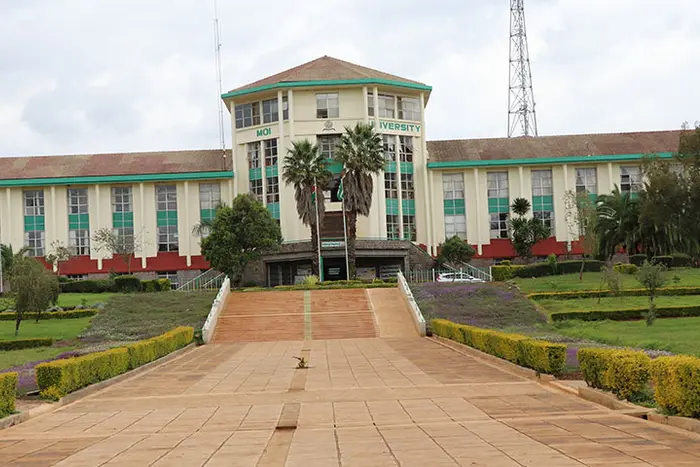
Higher education in Kenya has faced repeated disruptions in recent years, with public universities frequently caught between financial pressure and labour demands. Moi University now finds itself at the centre of another dispute after lecturers warned of a possible shutdown if a return-to-work agreement is not fully implemented.
The situation unfolds even after the institution reportedly received a multi-billion-shilling government bailout aimed at stabilising operations and clearing long-standing obligations. Instead of easing tensions, the funding has triggered renewed disagreement over how the money should be used.
This explainer breaks down the core issues behind the dispute, the financial concerns raised by lecturers, and what the standoff could mean for students and the future of the institution.
Also Read: Top Comoros Official Hospitalized in Nairobi Amid Rising Tensions in Moroni
Why Moi University is facing another industrial dispute
Moi University has experienced recurring labour unrest over the years. Issues linked to delayed salaries, debt accumulation, and unresolved collective bargaining agreements have contributed to frequent disruptions in academic calendars.
Lecturers under the Universities Academic Staff Union (UASU) argue that several commitments made in earlier agreements remain unfulfilled. The latest warning signals frustration over what they describe as slow or incomplete implementation of past deals.
A return-to-work formula signed after earlier strikes was intended to restore stability. The current dispute suggests gaps in execution rather than absence of agreements.
What the Sh6 billion bailout was meant to achieve
Government support in the form of a Sh6 billion bailout was expected to ease financial pressure on the university. The funding was widely viewed as a stabilisation measure to address salary arrears, outstanding obligations, and operational gaps.
University management has indicated that part of the money has already been received and used to manage urgent financial needs, including salary payments.
Lecturers, however, argue that the allocation was intended for broader settlement of structured obligations rather than short-term cash flow management.
Breakdown of contested funds and allocations
A key point of disagreement revolves around how earlier allocated funds were handled before the bailout.
Previous allocation structure cited by lecturers
| Category | Allocated amount (Sh millions) | Purpose |
|---|---|---|
| SACCO loan support | 100 | Staff cooperative obligations |
| Bank loan support | 100 | Debt servicing relief |
| Pension and gratuity | 150 | Retirement and benefit payments |
| Union dues | 50 | Staff union remittances |
| Benevolent fund | 50 | Staff welfare support |
| Welfare programmes | 40 | Employee support services |
| Group life cover | 30 | Insurance protection |
Lecturers argue that these obligations remain unresolved and should be prioritised under the new funding arrangement.
University management has been accused of redirecting some earlier funds to meet salary demands during cash shortages, creating further gaps in planned commitments.
Salary arrears dispute and the CBA disagreement
Another major issue involves salary arrears estimated at Sh1.25 billion. Lecturers attribute this figure to underpayment linked to implementation gaps in collective bargaining agreements.
According to the union, staff salaries were calculated using an older salary structure instead of updated negotiated terms. This discrepancy, they argue, created accumulated arrears over time.
Key CBA comparison raised by lecturers
| Agreement period | Salary structure used | Issue raised |
|---|---|---|
| 2013–2017 CBA | Applied in payments | Lower pay scale |
| 2017–2021 CBA | Negotiated higher rates | Not fully implemented |
Lecturers insist the arrears must be settled as part of the current financial recovery plan supported by government funding.
Why lecturers are rejecting management explanations
Union officials argue that confusion has emerged over different funding streams provided to the university in recent years.
Earlier government support packages have been cited in discussions, but lecturers maintain that each allocation served a different purpose and cannot be merged to justify unpaid obligations.
Union leadership insists that salary arrears and bailout funds represent separate financial responsibilities that must be handled independently.
Impact on students and academic calendar stability
The possibility of renewed industrial action raises concerns for students preparing to resume studies in the upcoming academic cycle.
Frequent disruptions have historically affected learning continuity, graduation timelines, and institutional reputation.
Potential impacts of renewed strike action
-
Delayed semester reopening
-
Interrupted academic programmes
-
Extended graduation timelines
-
Increased student accommodation costs
-
Reduced institutional confidence
University stability remains closely tied to timely resolution of staff disputes.
Why financial challenges keep recurring at public universities
Public universities in Kenya operate within a complex funding environment that includes government allocations, tuition fees, and internally generated income.
Rising operational costs, accumulated debt, and delayed disbursements often strain institutional budgets.
Moi University has repeatedly been cited as one of the institutions most affected by long-term financial pressure, contributing to recurring labour disputes.
Government intervention and expectations
Government bailout support is typically intended to stabilise institutions and prevent disruption of learning.
Lecturers argue that such interventions should be accompanied by strict accountability measures to ensure funds are used for agreed obligations.
University leadership faces pressure to balance operational survival with compliance to labour agreements.
Also Read: Rio Ferdinand To Open International Doors For Arusha Through AFCON 2027
What happens next in the dispute
Union officials have indicated that resolution is still possible before the next academic intake. Dialogue between stakeholders remains central to avoiding escalation.
The key expectation from lecturers is full implementation of previous agreements, particularly those involving salary arrears and structured payments.
University management is expected to engage stakeholders to clarify financial allocations and avoid further misunderstanding.
Broader implications for Kenya’s higher education sector
The situation at Moi University reflects broader challenges facing public universities across the country.
Funding gaps, delayed salary adjustments, and rising debt levels continue to affect institutional stability.
Sustainable solutions will likely require coordinated reforms involving government agencies, university councils, and staff unions.
Key takeaway from the dispute
The current standoff is not only about immediate financial disagreements but also about long-standing structural issues in university funding and labour relations.
Resolution of the dispute could serve as a reference point for other institutions facing similar challenges.
The outcome will likely influence future approaches to university financing, labour negotiations, and academic stability in Kenya.

