
Unauthorized Deductions? Breaking Down Allegations Against KEWOTA Leadership

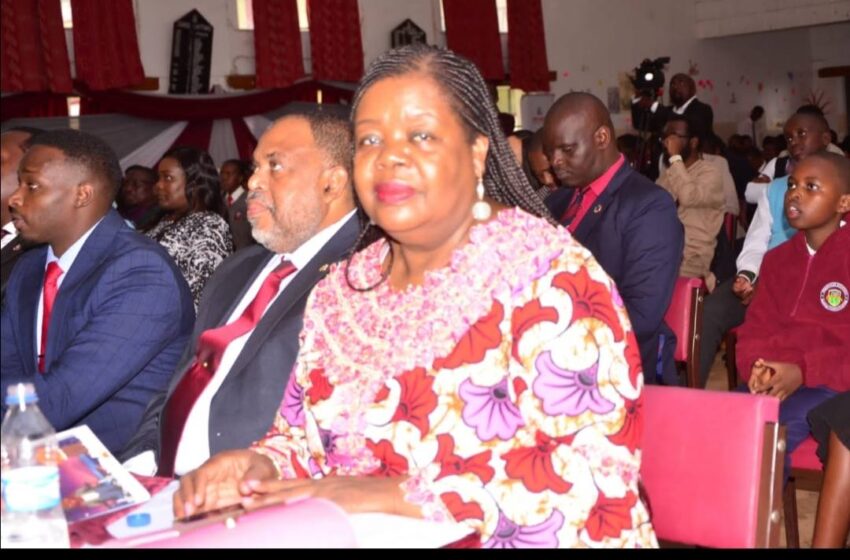
KEWOTA CEO Benter Opande/COURTESY
Kenya Women Teachers Association (KEWOTA) officials did not attend the scheduled appearance before a parliamentary committee on Tuesday, sparking questions regarding the association’s transparency and internal management.
The National Assembly Departmental Committee on Education had summoned the leadership to address growing concerns over unauthorized payroll deductions and allegations of financial impropriety within the organization.
The leadership of the association, led by CEO Benter Opande, formally notified the committee of their inability to honor the invitation, citing logistical and administrative hurdles.
READ ALSO: KEWOTA Vows to Remain Resolute Amid Sensationalized Payroll Controversy
In a letter addressed to the committee, Opande pointed to the “short notice” provided for the hearing, which she argued did not allow sufficient time for the organization to compile the extensive documentation required by lawmakers.
Documentation and Audit Delays
Central to the association’s request for a postponement was the need to finalize a comprehensive Financial Audit report. The CEO emphasized the magnitude of the allegations, noting that presenting an incomplete picture would be counterproductive to the probe.
“We are yet to submit all the pre-required documents, including the Financial Audit report,” Opande stated in her correspondence as per The Star.
She requested a two-week grace period to ensure all records were in order, arguing that the notice period, sent on April 21 for an April 28 hearing, was insufficient given the complexity of the data requested.
Allegations of Unauthorized Deductions
The parliamentary probe follows a series of reports suggesting that between 58,000 and 95,000 female teachers may have been subjected to monthly deductions of Sh200 without their express consent. These funds were allegedly channeled through KEWOTA, which some critics describe as operating outside the established legal framework for teacher representation.
The committee is also looking into claims of nepotism within the KEWOTA secretariat and the possible misappropriation of funds collected from its members.
Critics, including those from rival unions, have alleged that the association was created to weaken traditional union structures by providing a parallel channel to access teachers’ hard-earned salaries.
The Association’s Defense
Despite the missed appearance, KEWOTA’s leadership has remained firm in its denial of any legal or ethical breaches. Chairlady Modesta Akaki recently issued a statement describing the allegations as “baseless fabrications” designed to tarnish the association’s reputation. According to Akaki, the claims are a deliberate attempt to erode public confidence and undermine the progress the association has made for female educators.
She further suggested that the organization is considering legal redress against those spreading what she termed “malicious” information. The association maintains that its operations are above board and that the upcoming hearing will provide an opportunity to clear its name once the necessary paperwork is filed.
What Happens Next?
The National Assembly committee has reportedly granted KEWOTA the two-week extension it requested. This period is intended to allow the association to produce its financial audits and provide a detailed breakdown of its membership and deduction processes.
Lawmakers are under pressure to resolve the matter quickly, as thousands of teachers await clarity on whether their paychecks have been unfairly targeted. The upcoming session in mid-May is expected to be a high-stakes confrontation between the KEWOTA leadership and MPs seeking to protect the financial interests of Kenyan educators. For now, the association has a brief window to get its house in order before facing the full scrutiny of the House.

