Victor Wanyama AFCON 2027 Vision Reveals What Harambee Stars Must Fix Before Chasing History

The upcoming 2027 Africa Cup of Nations (AFCON), branded regionally as the “PAMOJA 2027” tournament, presents an unprecedented opportunity for East African football. Jointly hosted across Kenya, Uganda, and Tanzania from June 19 to July 17, 2027, the continental showpiece will bring elite African football directly to domestic viewports.
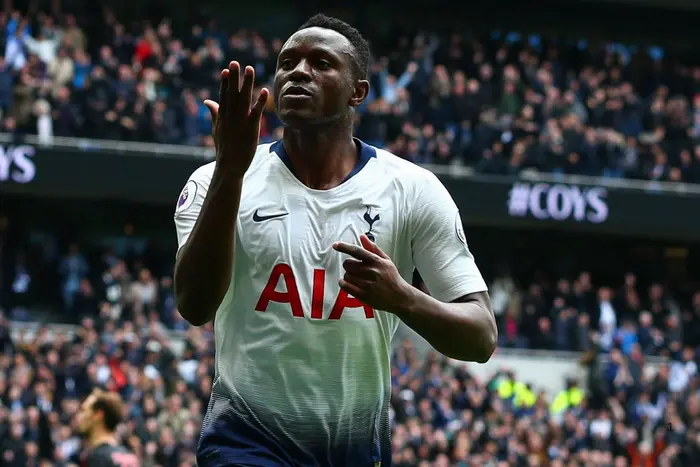
Former national team captain and midfield powerhouse Victor Wanyama recently detailed the precise parameters required for the Harambee Stars to secure a historically successful campaign on home turf, offering crucial advice directly to head coach Benni McCarthy and captain Michael Olunga.
National expectations have surged since the appointment of former South Africa international and Manchester United first-team coach Benni McCarthy as head coach of the senior men’s squad. Under his leadership, the technical bench is tasked with restructuring the squad’s tactical approach and upgrading player discipline before the tournament kicks off. Overcoming historical group-stage limitations demands a deeper examination of home-ground psychological factors, group-stage qualifications, and squad reintegration paths.
Also Read: Solo Adventures Boosts Women’s Football Development In Arusha
Understanding the PAMOJA 2027 Qualification Format and Group D Realities
Automatic qualification is already guaranteed for the three host nations by the Confederation of African Football (CAF). Despite this security, the Harambee Stars are actively participating in the qualification rounds, which serve as highly critical competitive preparation windows. The official draw conducted in Cairo placed Kenya in a demanding Group D alongside former continental champions South Africa, a technically gifted Guinea squad, and regional neighbors Eritrea.
The qualification path runs across three international FIFA windows between September 2026 and March 2027, forcing McCarthy to test his strategic depth against contrasting styles of play. Regulatory provisions state that for groups containing a hosting country, the qualification parameters shift uniquely to ensure fair competitive balance. Should Kenya top the group, the second-placed nation automatically advances, whereas if the Harambee Stars finish lower, only the outright group winner secures passage to the finals.
Continental Metrics and Group D Competitor Matrix
| Competitor Nation | Global Ranking Benchmark | Historical AFCON Milestone | Core Tactical Blueprint Expected |
| South Africa | 60th Internationally | Continental Champions (1996) | Possession-based high-intensity transitions |
| Guinea | 80th Internationally | Tournament Runners-Up (1976) | Physically dominant mid-block defensive focus |
| Kenya (Co-Host) | 111th Internationally | Group Stage Appearances (2019) | Direct attacking counter-press transitions |
| Eritrea | 184th Internationally | Regional Challenge Competitors | Low-block structural defensive isolation |
The Psychological Dimension of Thriving Under Home Pressure

The impact of passionate local supporters serves as a powerful psychological catalyst when managing high-stakes matches. Speaking via Dollar TV, Victor Wanyama emphasized that elite international competition requires players to actively embrace the burden of public expectation rather than fear it. “Thriving under pressure is easy—just give your best when you come on the pitch,” Wanyama noted, addressing the intense spotlight focused on current skipper Michael Olunga.
Performing before full capacity crowds at local stadiums can provide the necessary emotional drive to overcome superior opponents on paper. Experienced professionals understand that home-ground advantage can quickly turn into a source of anxiety if early match moments do not go as planned. High-pressure situations require strong tactical maturity and internal leadership within the squad to keep players composed during difficult moments. Wanyama highlighted that when fans speak, players must remain silent, work tirelessly, and deliver on the turf to keep the stadium fully backing the system.
Expected Fan Impact Distribution Metrics during Home Fixtures
The text-based bar graph below visualizes the primary ways that full home stadium backing strategically aids the national squad during international tournament fixtures:
[Psychological and Tactical Performance Factors]

Impact Category | Influence Level (Percentage Breakdown)
-----------------------------------------------------------------------
Motivation      | ∎∎∎∎∎∎∎∎∎∎∎∎∎∎∎∎∎∎∎∎∎∎∎∎∎∎∎∎∎∎∎∎∎∎∎∎∎∎∎∎ 95%
Acceleration    | ∎∎∎∎∎∎∎∎∎∎∎∎∎∎∎∎∎∎∎∎∎∎∎∎ 60%
Pressure Relief | ∎∎∎∎∎∎∎∎∎∎∎∎∎ 35%
Reviewing Technical Advancements and the McCarthy Tactical Blueprint
The technical framework introduced by Benni McCarthy represents a major departure from the direct, long-ball approaches of past regimes. Structural improvements focus on establishing a disciplined defensive shape while integrating quick, transition-based attacking movements that exploit wide channels. This style requires peak physical conditioning, positional discipline, and quick decision-making from every player on the pitch.
The preparation phase has faced challenges due to injuries affecting several key first-team players over recent months. Key squad assets, including clinical forward Michael Olunga, dynamic defender Eric Ouma, and central components Daniel Anyembe and Jonah Ayunga, are undergoing rehabilitation. McCarthy has focused on expanding the team’s depth by giving opportunities to standout performers from the FKF Premier League during recent international friendlies.
Also Read: Top Comoros Official Hospitalized in Nairobi Amid Rising Tensions in Moroni
Essential Pillars of the National Team Reintegration Program
-
Integrating Returning Key Professionals: Safely welcoming back seasoned players from injury ensures the roster has the experience needed for major international tournaments.
-
Expanding Domestic Roster Options: Providing consistent international exposure to top local league talents builds reliable depth for the grueling tournament schedule.
-
Standardizing High-Intensity Tactics: Ensuring the entire player pool understands the technical system helps the squad maintain its identity through various tactical changes.
Historical Precedents: Lessons Learned from Egypt 2019
The 2019 AFCON campaign in Egypt serves as a valuable learning experience for the current technical staff and squad planners. Captained by Wanyama, the team finished third in Group C after facing tough defeats against eventual finalists Algeria and Senegal. A hard-fought 3-2 victory over regional rivals Tanzania highlighted the team’s potential but also exposed clear defensive vulnerabilities at the highest level.
Surpassing those historical limits requires substantial upgrades in defensive organization and midfield possession retention. The differences between matching elite continental teams often come down to capitalizing on small errors during set-pieces and transitions. Strategic focus must shift toward maintaining defensive focus across all 90 minutes to prevent conceding goals late in matches against top-tier opponents. Wanyama expressed absolute confidence that the current generation can surpass his 2019 squad’s milestone, provided they channel home support into clinical execution.
Comparing Regional Co-Hosting Infrastructure and Strategic Readiness
The PAMOJA 2027 framework spreads matchday logistics across three East African countries, presenting unique operational considerations for each host nation. Uganda will manage its Group H commitments against established football nations like Tunisia, while Tanzania faces a tough Group L path alongside Nigeria. This distributed model requires close coordination between regional football federations regarding travel schedules, training facilities, and sports science support.
Upgrading local stadium infrastructure remains a key priority to meet CAF’s strict stadium compliance guidelines before the final inspection windows. Wanyama noted that hosting a tournament of this magnitude ensures the construction of world-class road networks, training grounds, and stadiums, resolving a long-standing shortage of quality sporting facilities in Kenya. The modernization of major sporting hubs like the Kasarani Stadium and the construction of specialized regional venues like the Talanta Sports Stadium are crucial for providing top-tier playing surfaces that leave a permanent legacy.
Looking Ahead: Building Sustainable Foundations for East African Football
The long-term success of Kenya’s AFCON campaign depends on implementing structured player development pathways and maintaining tactical consistency. Participating in the Group D qualifiers allows Benni McCarthy to refine his starting lineup and build tactical cohesion under real match pressure. Balancing immediate results with the integration of younger prospects is essential for building a squad that can perform consistently well into the future.
Also Read: Rio Ferdinand To Open International Doors For Arusha Through AFCON 2027
The partnership between the ministry, regional corporate sponsors, and technical planners will determine whether the country can fully capitalize on this major hosting opportunity. Upgrading coaching education, improving youth scouting systems, and maintaining high infrastructure standards are vital steps for keeping Kenyan football competitive on the continent. Prioritizing thorough technical preparation will help the Harambee Stars transform home support into a memorable, historic run in 2027, shifting global perceptions to view Kenya as both an athletics powerhouse and a true footballing nation