
Legal Limbo: Why Rachier Court Stay Leaves Gor Mahia Future Uncertain Ahead of CAF Champions League

Every football fan remembers unforgettable goals, dramatic derby victories, and title celebrations; far fewer remember the boardroom decisions that made those moments possible.
Behind every successful club sits an administrative structure responsible for finances, sponsorships, legal compliance, and long-term planning.
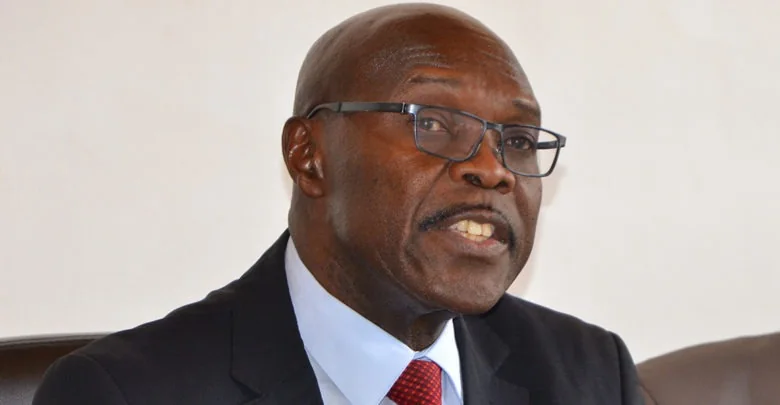
Gor Mahia now finds itself at the center of a debate that goes well beyond one individual. A High Court decision temporarily suspending efforts to remove chairman Ambrose Rachier has bought time for the club’s current leadership while opening a wider conversation about governance, succession, and institutional stability. The case stems from differing interpretations of how term limits under Kenya’s Sports Act should apply to Gor Mahia’s leadership, with the matter now headed through the courts for further determination.
Supporters may naturally view the dispute as another chapter in Kenyan football politics, but its consequences could influence the club’s trajectory for years. Leadership transitions affect everything from sponsorship negotiations and player recruitment to youth development and financial planning.
Also Read: Pharmacy Board Looks to Shape Future of Pharmaceutical Practice
Gor Mahia Is Bigger Than Results on the Pitch
Winning trophies remains the ultimate objective, but modern football clubs operate as businesses, community institutions, and sporting brands all at once.
Executive leaders negotiate commercial partnerships, oversee budgets, ensure regulatory compliance, and create conditions that allow coaches and players to focus on football. Smooth administration often goes unnoticed precisely because it prevents crises before they emerge.
A leadership dispute therefore carries implications extending far beyond election dates or court filings.
Ambrose Rachier Legacy Inspires Both Praise and Debate
Few administrators have become as closely associated with one Kenyan football club as Ambrose Rachier.
Since assuming leadership in 2008, he has presided over one of the most successful periods in Gor Mahia’s history, with multiple league championships strengthening the club’s position among East Africa’s football heavyweights. Supporters who favour continuity often point to that trophy haul as evidence of experienced stewardship.
Others acknowledge those achievements while arguing that every institution eventually benefits from leadership renewal and fresh perspectives.
Those competing viewpoints make the current governance debate especially significant.
The Court Decision Buys Time Not Finality
The High Court’s intervention should not be mistaken for a final resolution.
Instead, it temporarily preserves the status quo while judges consider competing legal interpretations surrounding tenure limits and compliance with sports governance regulations. The Sports Registrar had argued that officials serving since the club’s registration in 2018 had reached the applicable term limit, while Rachier maintains that his tenure should be calculated from elections conducted under the revised constitutional framework.
Read Also:Top Comoros Official Hospitalized in Nairobi Amid Rising Tensions in Moroni
That distinction may appear technical, yet it could determine how leadership transitions are handled not only at Gor Mahia but potentially across other sports organizations facing similar governance questions.
Governance Questions Raised by the Case
| Issue | Why It Matters |
|---|---|
| Term limits | Determines leadership continuity |
| Election timing | Influences succession planning |
| Legal interpretation | Affects compliance under sports laws |
| Administrative stability | Supports operational planning |
| Governance standards | Builds institutional credibility |
Stability Can Be a Competitive Advantage
Football seasons demand constant decision-making.
Transfer negotiations require financial approval.
Coaches need clarity about budgets.
Sponsors seek predictable relationships.
Players expect salaries and contractual obligations to be honoured on time.
Administrative uncertainty can complicate each of those processes.
Even clubs blessed with talented squads may struggle if governance issues dominate internal attention.
Continuity therefore provides strategic value, particularly during periods of intense competition.
Fresh Ideas Also Matter
Continuity should never eliminate accountability.
Many of football’s most successful organizations combine experienced leadership with deliberate renewal through structured succession planning.
New executives often introduce innovations in digital engagement, commercial strategy, infrastructure investment, and supporter relations.
Balancing institutional memory with modernization remains one of the greatest governance challenges facing major clubs around the world.
Gor Mahia’s current debate reflects that broader balancing act.
Sponsors Look Beyond League Tables

Corporate partners increasingly evaluate governance alongside sporting success.
Brands investing millions into football want confidence that contracts will be honoured, finances managed responsibly, and leadership structures remain transparent.
Strong governance creates trust.
Weak governance can discourage investment regardless of performances on the field.
Every administrative decision therefore contributes indirectly to commercial attractiveness.
That reality becomes increasingly important as clubs pursue larger sponsorship agreements and regional expansion.
Leadership Decisions Influence the Entire Club
| Area | Potential Impact |
|---|---|
| Commercial partnerships | Greater investor confidence |
| Player recruitment | Better strategic planning |
| Financial operations | Improved sustainability |
| Youth development | Long-term talent pipeline |
| Club reputation | Stronger public trust |
Modern Football Requires Institutional Strength
Gone are the days when clubs could rely solely on passionate supporters and matchday revenue.
Today’s successful organizations invest in academies, women’s football, analytics, marketing, merchandising, and infrastructure.
Those ambitions require governance systems capable of supporting sustainable growth.
Leadership disputes can therefore become defining moments if they encourage reforms that strengthen institutions rather than weaken them.
Viewed positively, the current legal process offers an opportunity to clarify rules and reinforce governance standards.
Also Read: Kenyan marathoner remanded over Ksh8 million land fraud case
Fans Increasingly Care About Transparency
Supporters remain emotionally invested in trophies, yet expectations have evolved.
Questions about financial accountability, constitutional compliance, and organizational professionalism receive growing attention from fan bases across Africa.
Many supporters now expect clubs to communicate openly about governance decisions while maintaining democratic processes and regulatory compliance.
Trust extends beyond ninety minutes on the pitch.
Transparent institutions often cultivate stronger long-term loyalty.
Governance Priorities for Ambitious Clubs
| Priority | Strategic Benefit |
|---|---|
| Legal compliance | Minimizes regulatory disputes |
| Clear constitutions | Improves accountability |
| Stable administration | Supports football operations |
| Succession planning | Protects long-term continuity |
| Financial transparency | Encourages commercial growth |
Gor Mahia Future Depends on More Than One Person
It would be simplistic to reduce the club’s future to the fate of any individual administrator.
Football institutions endure because systems outlast personalities.
Successful clubs create structures allowing coaches, players, executives, and supporters to contribute within clearly defined frameworks.
Leadership changes inevitably occur, but well-managed organizations prepare for those transitions rather than react to them.
Whether continuity ultimately prevails or change arrives through future elections, Gor Mahia’s long-term ambitions will depend on institutional resilience as much as individual leadership.
Bigger Lessons for Kenyan Football
The legal proceedings surrounding Ambrose Rachier have already sparked national discussion about governance standards in sport. That conversation may prove valuable regardless of the eventual court outcome because it highlights the importance of constitutional clarity, regulatory consistency, and accountability within football administration.
Kenyan clubs increasingly compete for sponsorships, continental recognition, and commercial opportunities in a rapidly professionalizing environment. Meeting those expectations requires governance structures capable of supporting sustainable growth alongside success on the pitch.
Also Read: Rio Ferdinand To Open International Doors For Arusha Through AFCON 2027
The High Court reprieve offers breathing room to Gor Mahia but also presents an opportunity for reflection. Trophy cabinets can define a club’s history, yet sound governance often determines its future. If the current debate encourages stronger institutions, clearer succession planning, and greater transparency, its impact could extend well beyond the courtroom and shape the next generation of success for one of Kenya’s most iconic football clubs.

